Circular Economy
Sustainable Development and Organic Agriculture
The Circular Economy is a Modern Approach
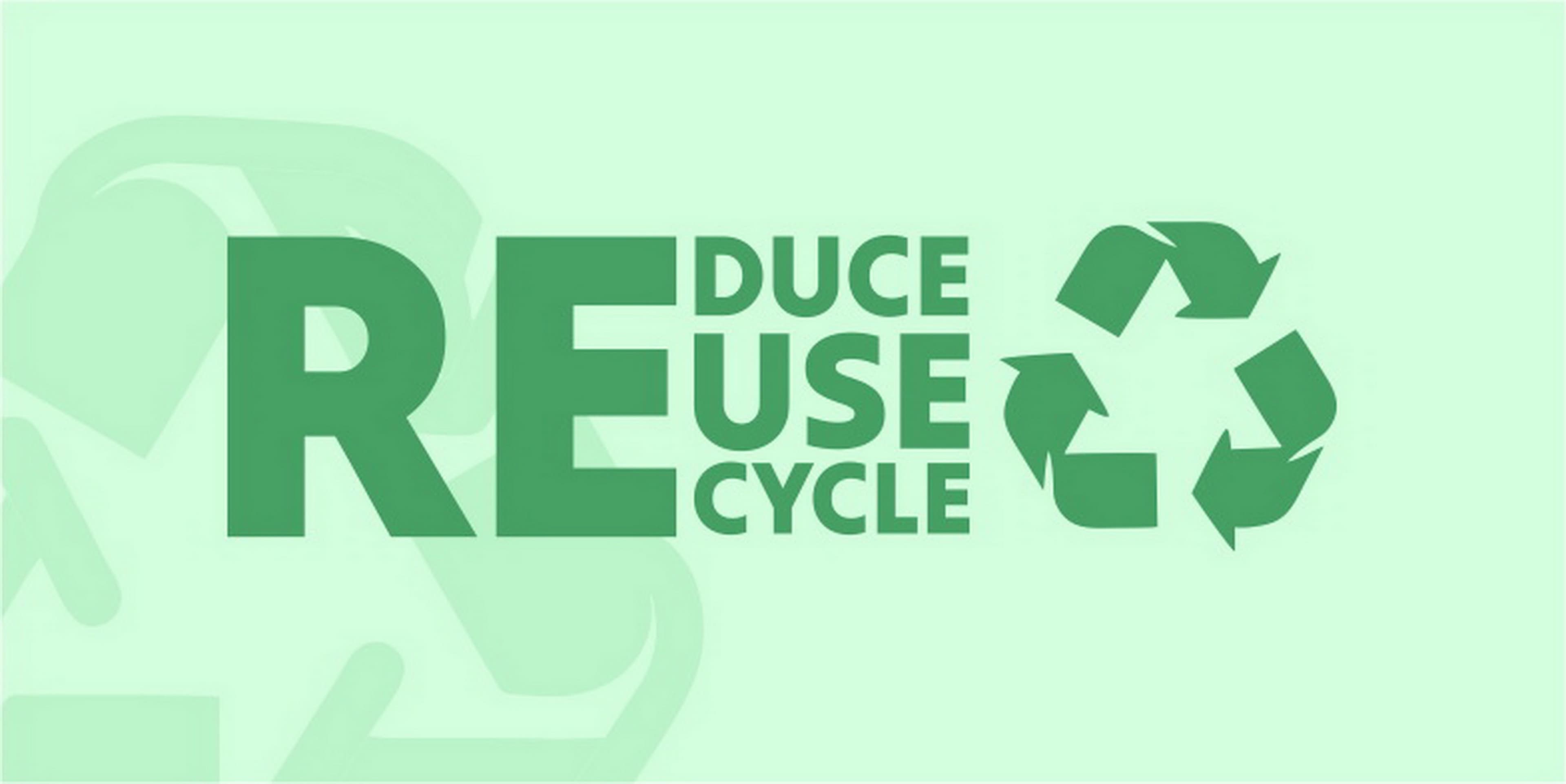
The circular economy is a modern approach based on the smart use and regeneration of resources. Unlike the linear "produce–use–discard" model, the circular system aims to reduce waste, reuse materials, and maintain the balance of nature through the "reduce–reuse–recycle" principle. This philosophy finds its natural continuation in organic agriculture.
Core Principles
Reduce
Minimizing material and energy use at all stages of production
Reuse
Extending the lifecycle of products and materials
Recycle
Transforming waste into new raw materials or energy
Circular Economy and Organic Agriculture
Organic agriculture is based on the protection of soil, water, and biodiversity. It excludes the use of synthetic chemicals and genetically modified organisms, giving preference to natural processes. Here, the principles of the circular economy are applied in everyday practice: organic waste is turned into fertilizer, crop residues are returned to the soil, and energy is obtained as much as possible from renewable sources.
The connection between these two approaches is especially important from the perspective of a sustainable future. The circular economy helps organic agriculture reduce costs and increase efficiency, while organic agriculture, in turn, contributes to environmental protection and the production of healthy food. As a result, a system is formed in which humans and nature cooperate rather than oppose each other.
Today, as climate change and resource limitations have become global challenges, the combination of the circular economy and organic agriculture is not merely a choice, but a necessity. It is a step toward responsible consumption, a healthy society, and long-term sustainable development.
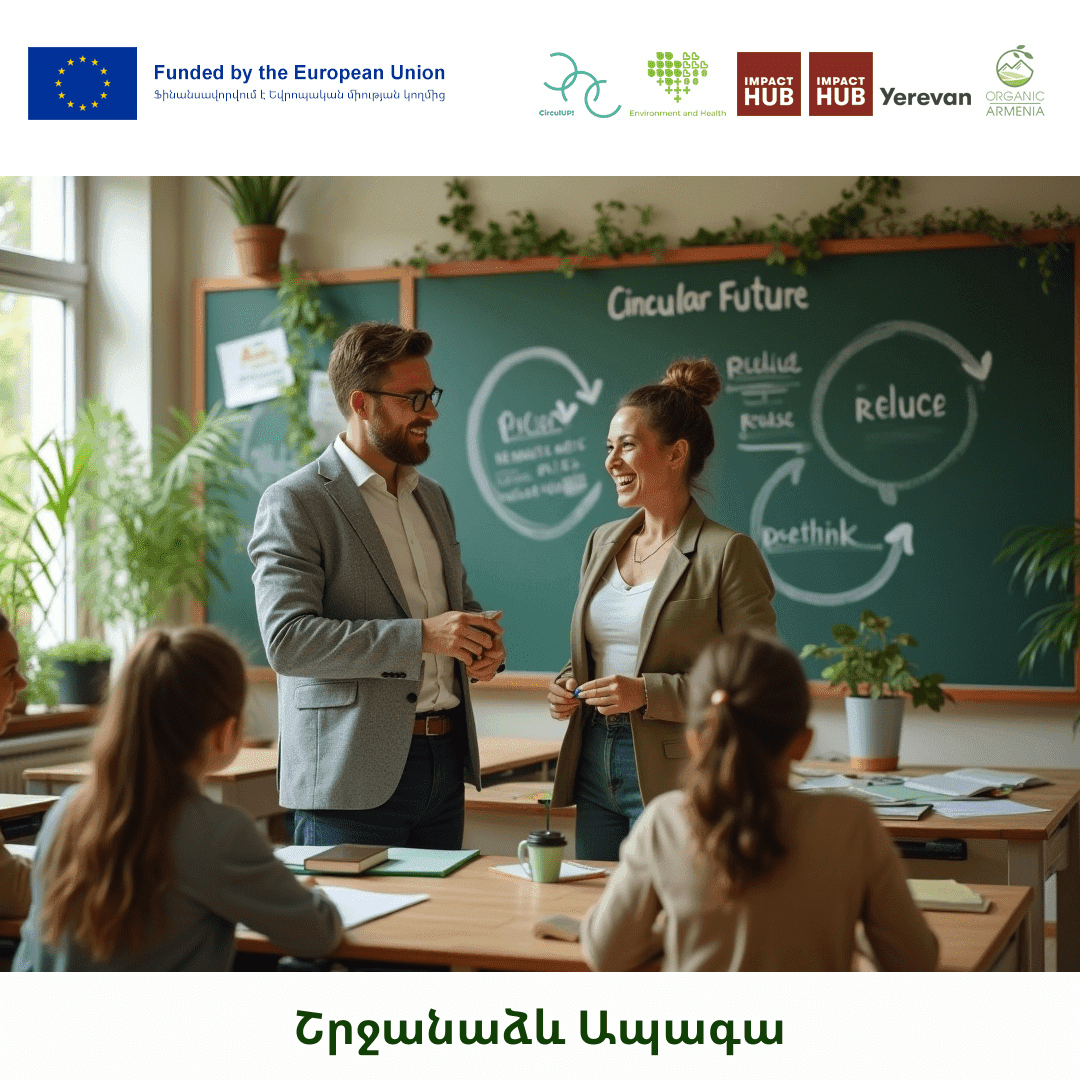
Circular Economy and Organic Agriculture: Their Connection, Composting - (available in Armenian)
The materials were prepared within the framework of the "Circular Future" program with the aim of raising awareness. The initiative was funded by the European Union in Armenia within the CirculUP! program, in cooperation with the “Impact Hub Network”, “Impact Hub Yerevan”, “Environment and Health” NGO.