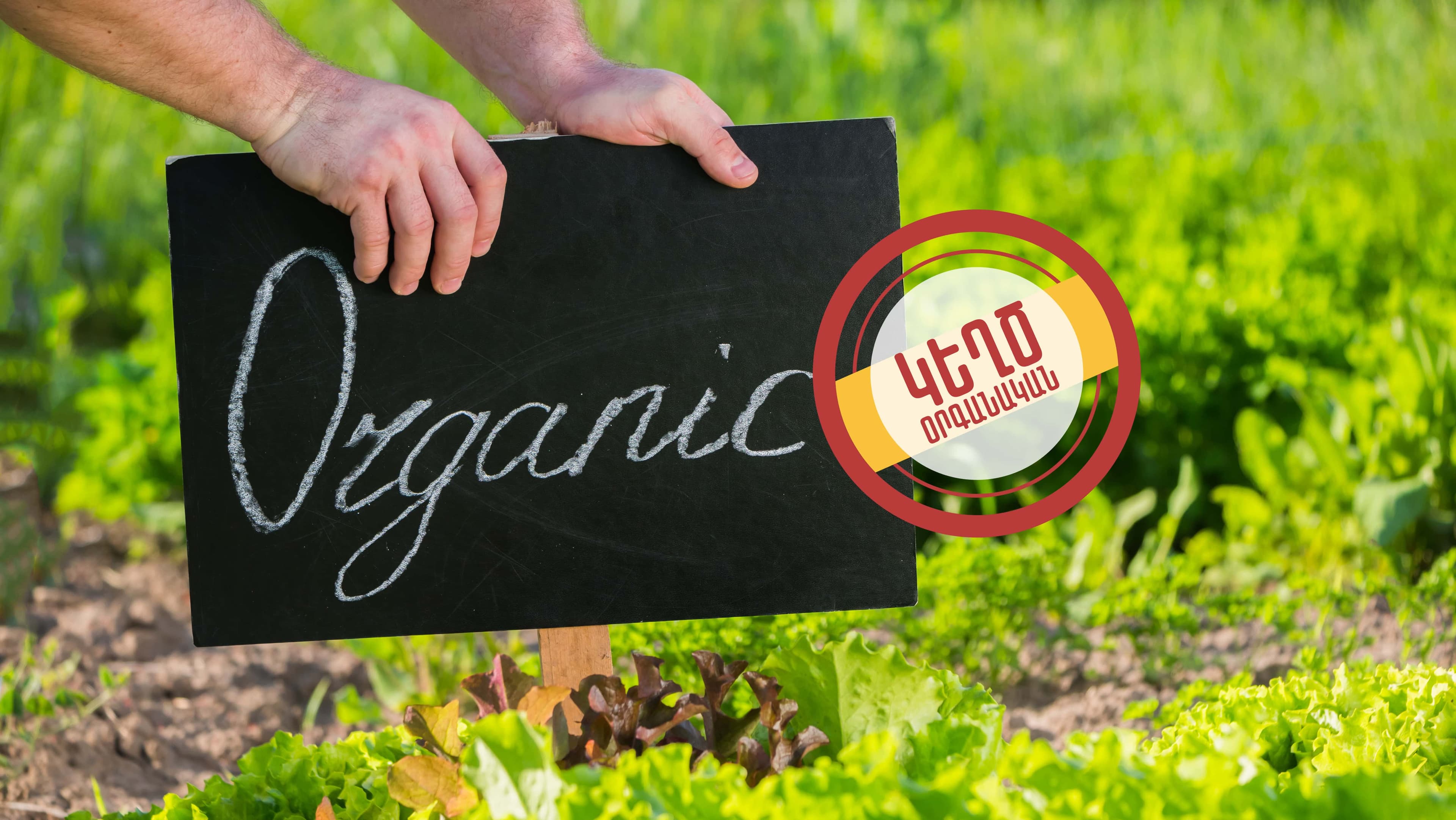
Organic Fraud
How to distinguish genuine from fake
Organic Fraud
In recent years, the number of food products on the market labeled as "organic", "natural", "eco", "clean" and similar terms has increased rapidly. However, the external "green" appearance and promises do not always correspond to reality. Organic fraud is the phenomenon in which a product is presented as healthy or close to nature, while in fact it does not meet the requirements of organic agriculture and has not undergone appropriate control.
Organic fraud is particularly dangerous because it misleads consumers by creating false trust and reduces the competitiveness of genuine organic producers in the market.
The Difference Between "Natural" and "Organic"
A significant portion of food products labeled as "natural" may be produced using pesticides, antibiotics, growth hormones, and genetically modified ingredients. The term "natural" does not have a clear legal definition, control mechanism, or mandatory standards. In contrast, organic agriculture is based on internationally recognized, verifiable, and controlled standards.
Use of Pesticides
"Organic"
Organic products are grown without the use of synthetic pesticides, ensuring a natural and safe environment for plants and reducing pesticide residues in food.
"Natural"
Products labeled as “natural” may be grown using pesticides and residues may remain in food products.
Antibiotics
"Organic"
The use of antibiotics in organic meat production is strictly limited
"Natural"
A significant portion of “natural” meat products comes from animals raised with the use of antibiotics. While in some cases antibiotics are used to treat sick animals, in industrial production they are often applied preventively to avoid the spread of infections in improper or overcrowded conditions. This practice contributes to the development of antibiotic-resistant microorganisms, which is a serious public health concern
Synthetic Hormones
"Organic"
Organic agriculture prohibits the use of synthetic hormones, preserving natural animal growth and product quality.
"Natural"
Synthetic hormones are sometimes used to accelerate animal growth and increase reproductive efficiency.
Genetically Modified Ingredients
"Organic"
Organic agriculture prohibits and excludes the use of GMOs at any stage of production.
"Natural"
Products labeled as "natural" may contain ingredients derived from genetically modified crops. Genetic engineering alters a plant’s DNA to create organisms with new characteristics that do not occur naturally.
Organic Fraud and Legislation in Armenia
One of the key tools in combating organic fraud is legislation. In Armenia, the Law "On Organic Agriculture," adopted in 2008, clearly defines products obtained through organic agriculture and their differences from products labeled as "natural" or with similar claims.
However, even in the presence of legislation, consumer awareness remains crucial. Conscious choice begins with carefully examining product labels, recognizing certification marks, and being willing to ask questions.
Key Measures to Avoid Fraud
Avoiding organic fraud means protecting one’s health while simultaneously supporting farmers who work transparently, responsibly, and in harmony with nature. Choosing genuine organic products contributes to the development of safe food production and the formation of a fair and competitive market.