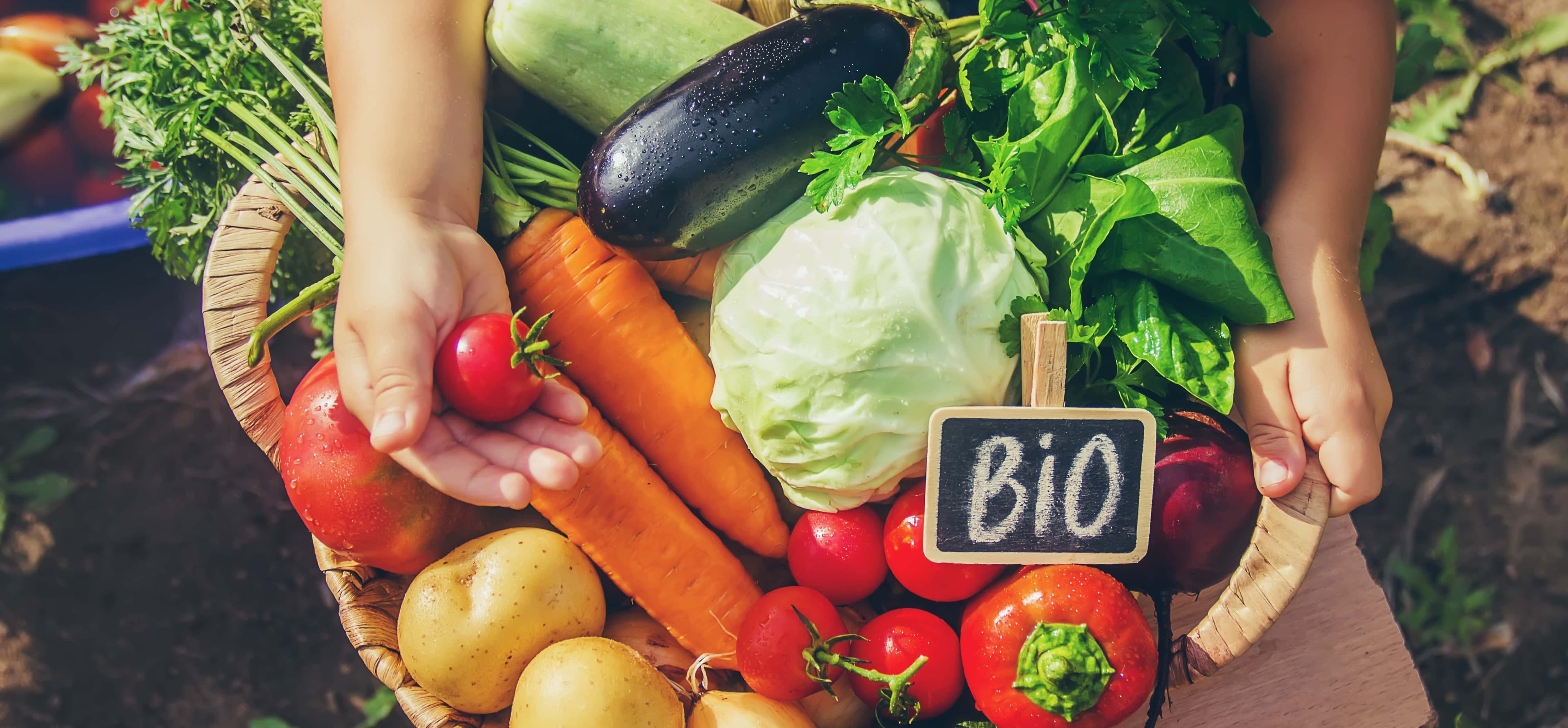
Organic Labeling
How to distinguish genuine organic products
What is Organic Labeling?
As interest in organic products grows, it becomes increasingly important to be able to distinguish genuinely organic products from those simply labeled as "natural", "from our farm" or "farm-made". The "organic" label is the tool that helps consumers make informed choices and be confident that a product has been produced in compliance with established standards.
The “organic” label means that the given product or production process has undergone inspection and certification by an independent body. It confirms that no synthetic fertilizers, pesticides, genetically modified organisms (GMOs), growth hormones, or antibiotics (in the case of animal products) were used during production and that sustainable and responsible approaches toward soil, animals and the environment were maintained.
Why is organic labeling important for consumers?
For consumers, organic labeling is first and foremost a sign of trust. It makes it possible to choose safer and higher-quality food and support environmentally responsible agriculture.
Without official labeling, the word "organic" may simply be a marketing term without legal or quality guarantees. In Armenia, the Law "On Organic Agriculture" was adopted in 2008, clearly defining products obtained through organic agriculture and distinguishing them from products labeled as "natural" or bearing similar claims. The misuse of organic labeling for the purpose of misleading consumers is punishable by law.
What information to look for on the label
A genuine organic product label usually contains several key elements:
The name or code of the certifying organization
An indication confirming organic status (e.g., "Certified Organic")
Clear information about the producer or supplier
In some cases, the country or region of origin of the raw materials
If certification information is missing or unclear on the label, it is advisable to be cautious and further investigate the origin of the product.
Main logos to recognize
There are several widely recognized logos in the international market that certify organic status and are considered reliable and commonly used across different countries.
In addition, many countries have national organic logos that operate according to the same principles: independent control, transparent standards, and accountability to the consumer.
Below are some of the most commonly encountered logos of major certification bodies that can be found on the packaging of genuinely certified organic products.
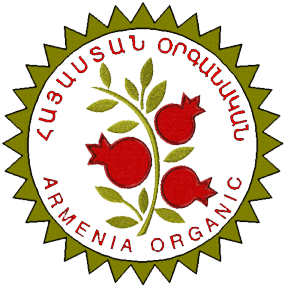
Label of products compliant with Armenian organic standards
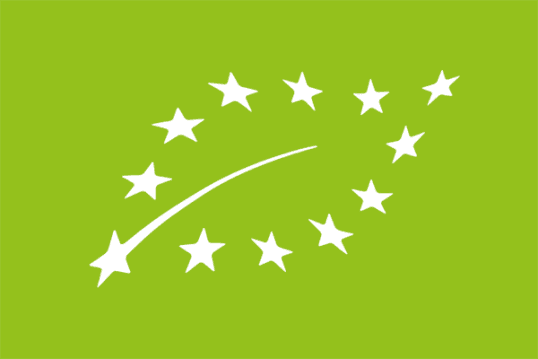
Label of products compliant with European Union organic standards
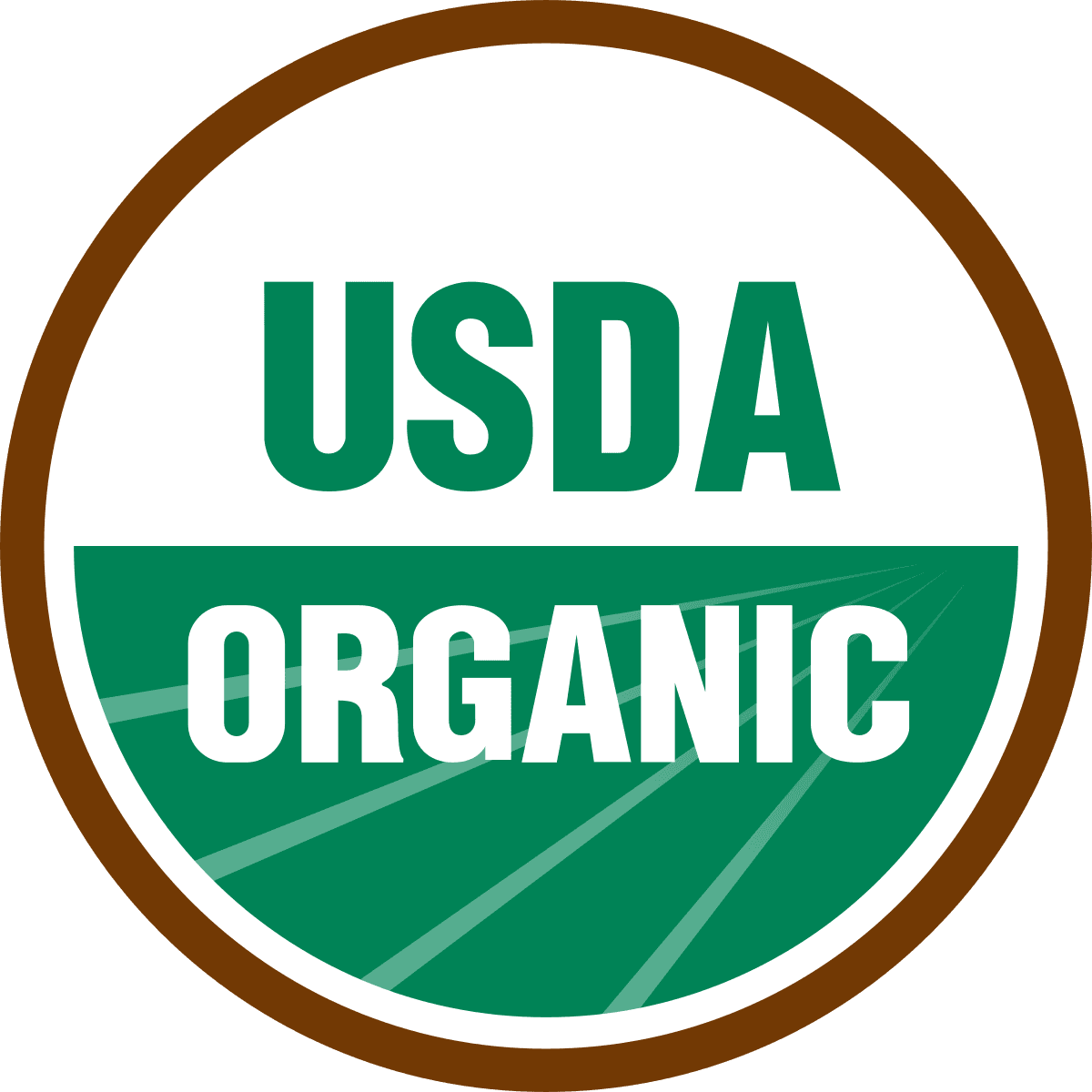
Label of products compliant with the organic standards of the United States Department of Agriculture (USDA)
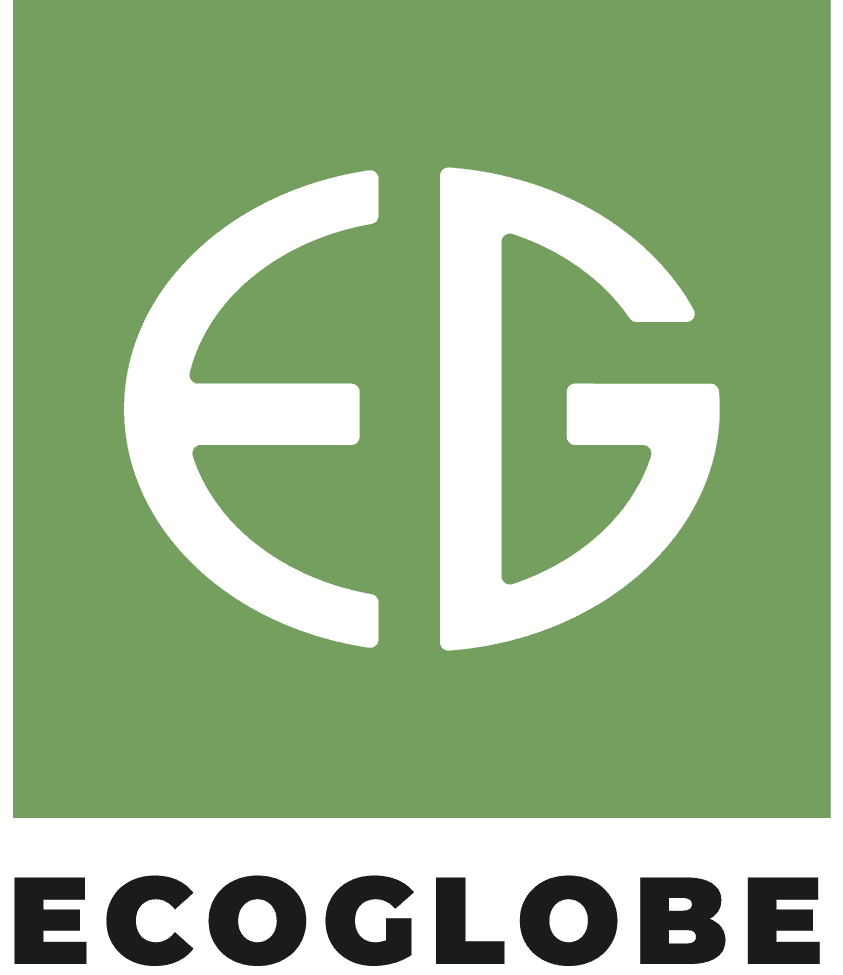
Label of an international certification and control body
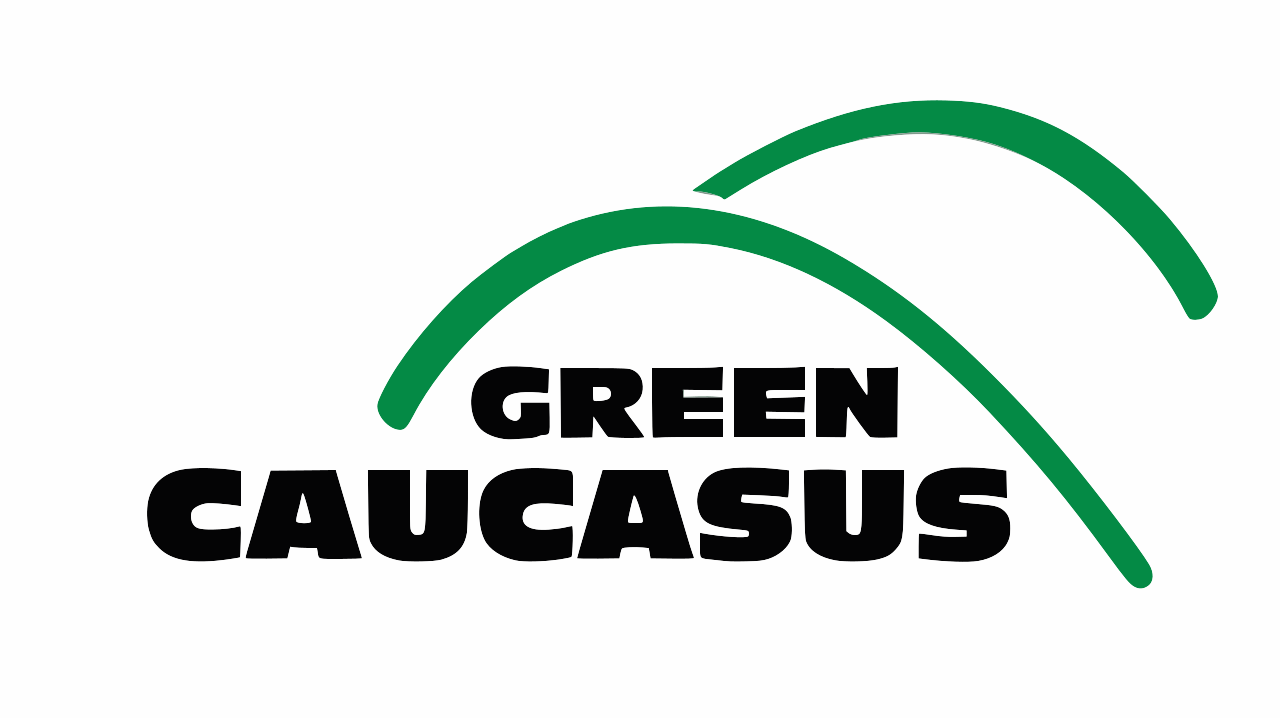
Label of products compliant with the regional organic standards of the Green Caucasus
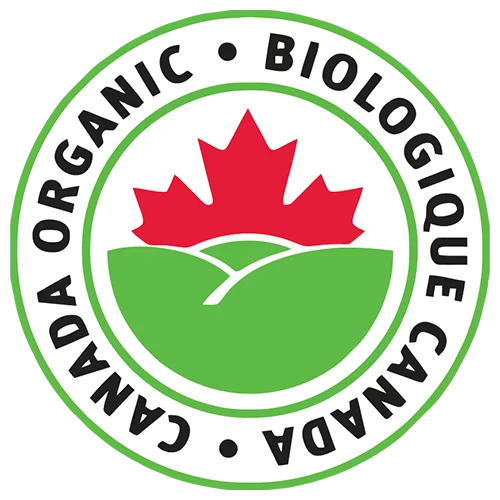
Label of products compliant with Canadian organic standards
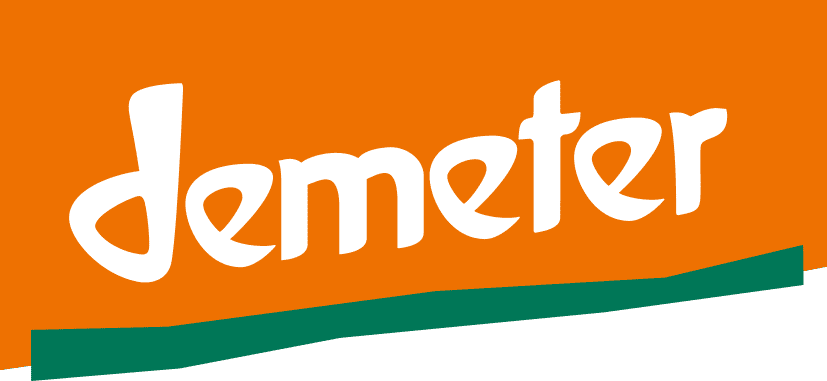
Label of products compliant with the international Demeter standards for biodynamic agriculture
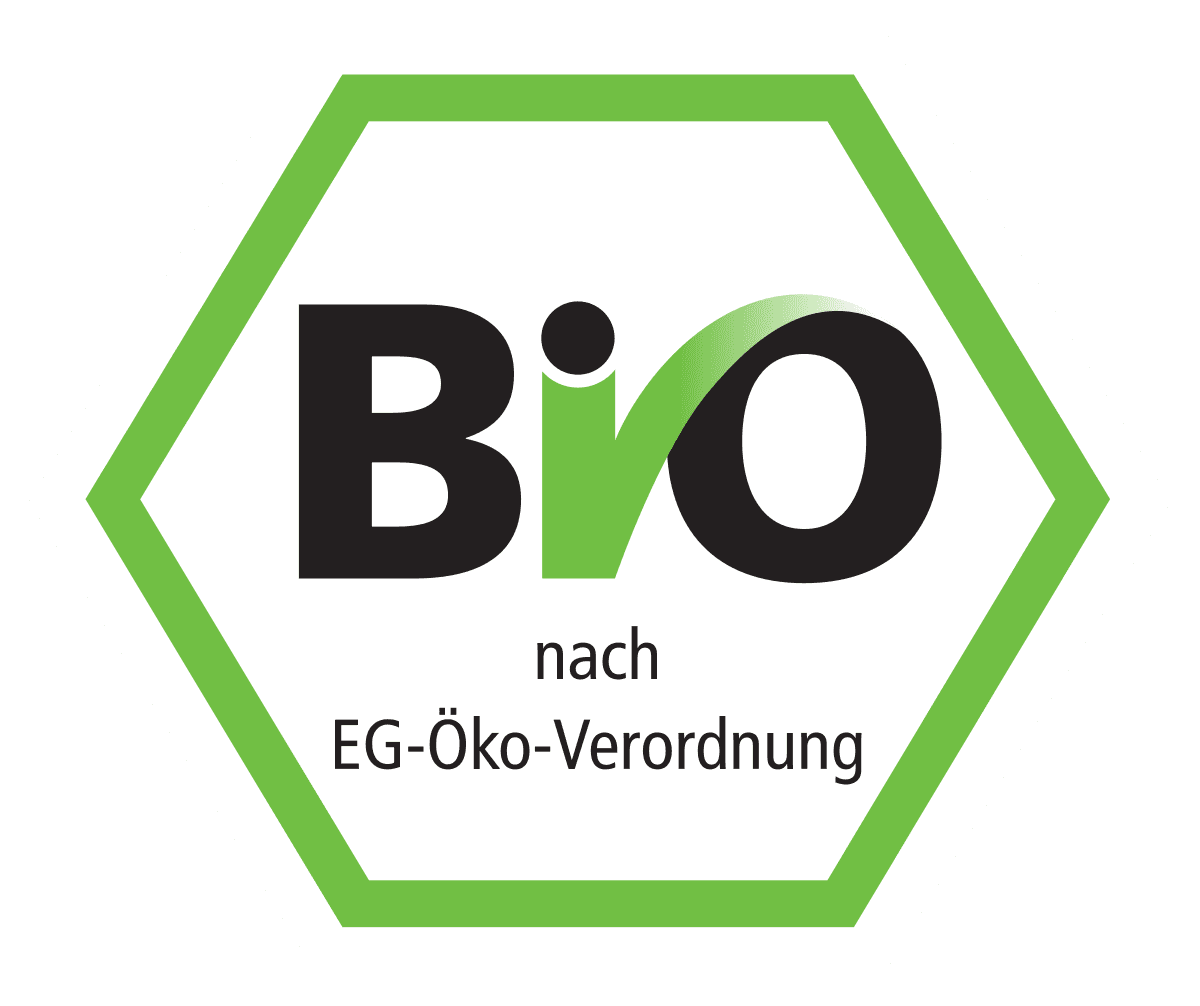
Label of products compliant with German organic standards
What to pay attention to in order to avoid "greenwashing"
Many producers use terms such as "eco," "natural," "chemical-free," "homemade," and similar expressions without official certification.
⚠️ Such claims do not in themselves mean that a product is organic. Genuine organic labeling is always accompanied by verifiable information and a recognized logo.
Conscious consumption begins with asking questions: who certified the product, according to which standards, and how transparent the process is.
Organic labeling as support for farmers
By recognizing and choosing genuinely organic products, we not only take care of our own health but also support farmers who invest in soil preservation, safe food production, and the development of sustainable agriculture.
Organic labeling serves as a bridge between farmers and consumers, based on trust, responsibility, and long-term values.
Recognize and Choose!
By recognizing real organic products, let us support farmers in developing the sector of safe and healthy food production.